Fence Line Clearing
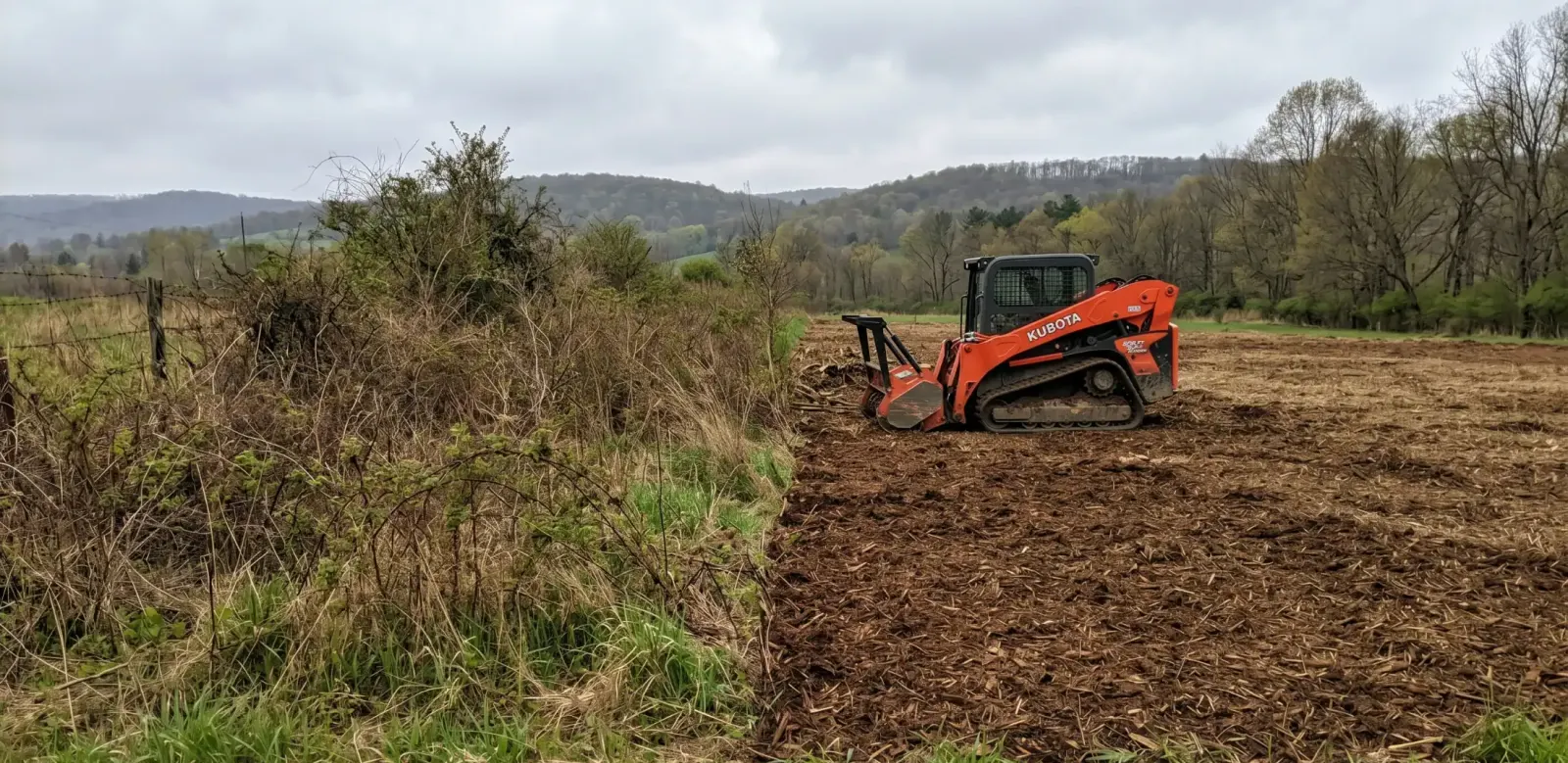
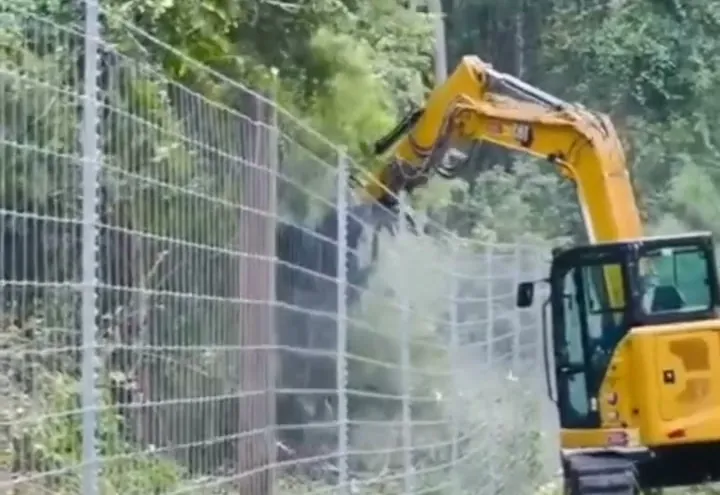
We clear brush, vines and saplings off farm and pasture fence rows so the fence can be seen and worked on. The excavator reaches in from the side and keeps the machine off your wire.
Learn More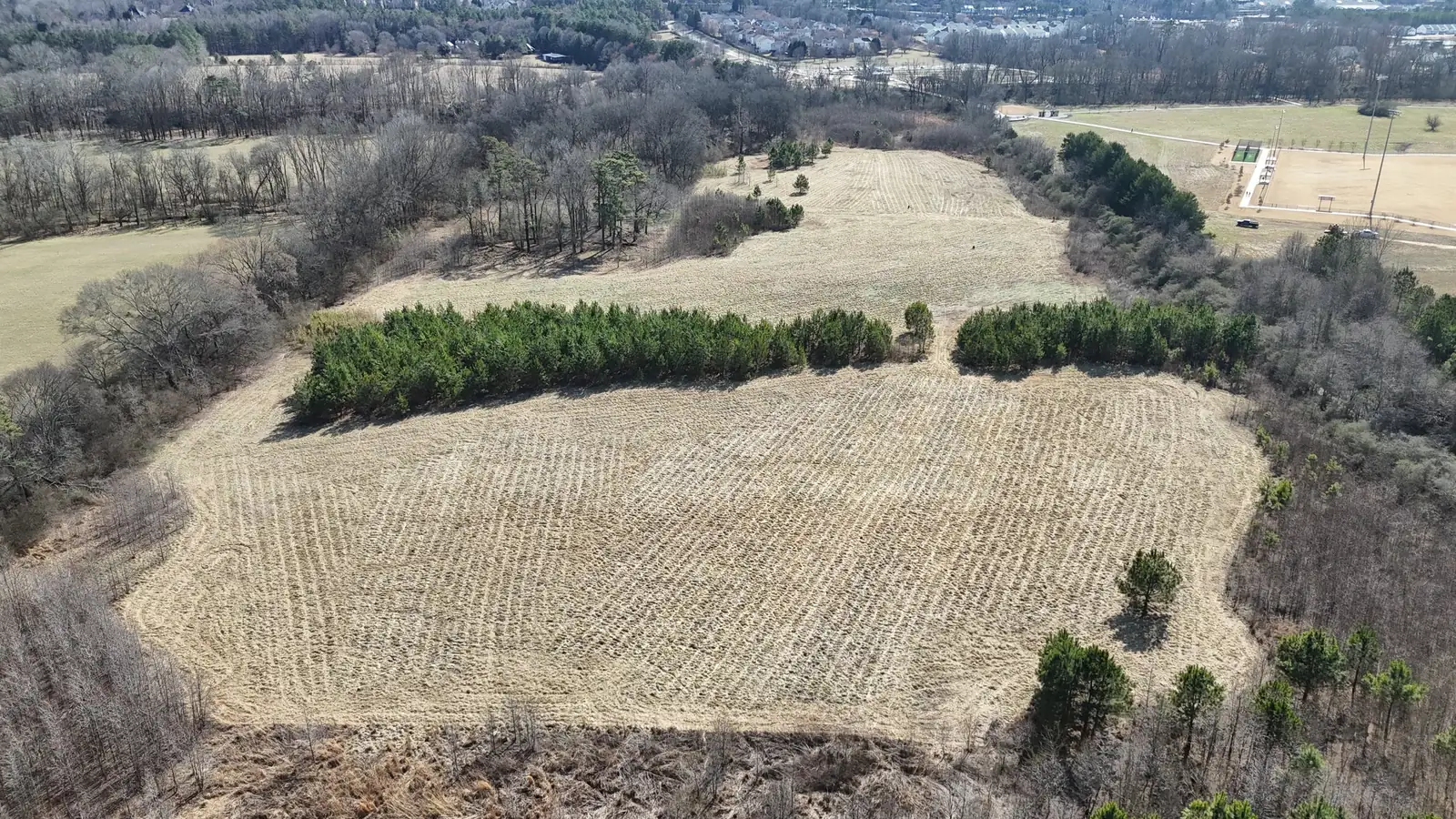
Pasture clearing takes a grown-over pasture or field back to open ground for grazing or hay. EM Land Services does this work for farms and plantations around Monticello. Some jobs are an old pasture gone to brush. Others are woods or cutover timber that you want turned into new pasture.
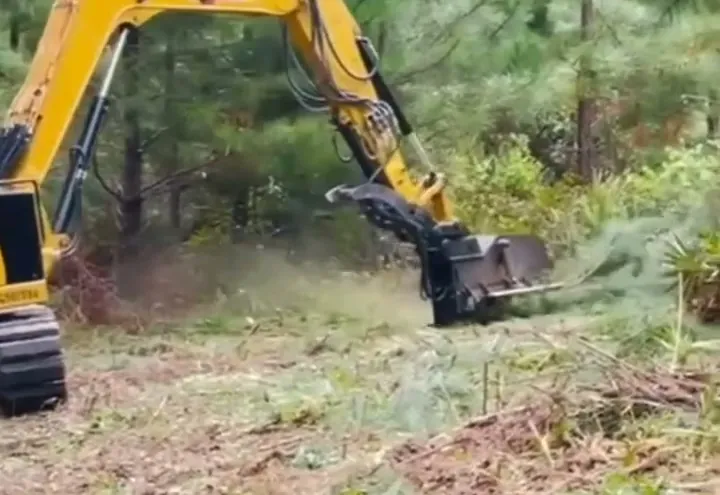
Grown-over ground goes to the skid steer mulching head, which grinds brush and saplings down where they stand. That is forestry mulching, the work we do most. The excavator pulls stumps where the ground needs them out. With a mulching head on the excavator, we reach wet corners and ditch banks from firm ground.
Tell us about the job. We will get right back to you.
A pasture that stops getting grazed or mowed starts to fill in with woody growth. UF/IFAS says trees and woody plants moving into pastures is common. Wax myrtle, blackberry briars and Chinese privet all turn up in Florida pastures, along with tree saplings.
UF/IFAS says dense wax myrtle can wipe out a bahiagrass stand. Blackberry thickets cut grazing in part of a pasture, and the thorns can injure cattle. Chinese privet, on Florida's noxious weed list, sends up root suckers until it forms a dense thicket.
The skid steer mulching head grinds that growth down where it stands. The roots stay in the ground. UF/IFAS notes that blackberry sprouts back from cut stems, and wax myrtle sends up new stems from the trunk base and roots. It also warns that cleared land left unmanaged can drift back toward what grew there before. Plan on grazing or mowing after we leave to keep it open.
New pasture cut out of woods or cutover timber is a bigger job. UF/IFAS says it often means removing trees, stumps and brush. We mulch or clear the trees and brush, then haul off what has to go. The dump truck and dump trailer do that hauling, which is our debris removal service.
Where the ground is headed for hay, the excavator pulls the stumps and root balls. That is our stump removal work, done as part of the clearing. Big shade trees stay standing for the cattle, and we clear around them.
We hand back open ground. The disking, lime, fertilizer and seed are up to you or your farm supply. UF/IFAS advises a soil test early to see if lime is needed. When it is, lime goes on before the first tillage, ideally 6 months before planting.
Pasture and woods sit side by side on farms here. The USDA 2022 Census of Agriculture counted 597 farms in Jefferson County, with 189,120 acres of land in farms. Those farms held 88,509 acres of woodland and 23,582 acres of pastureland. They carried 29,064 cattle and calves at the end of 2022, and hay and haylage took 7,988 acres.
Tall Timbers describes the Red Hills as a 436,000-acre region between Thomasville and Tallahassee, known for rolling hills and red clay soils. It notes that the hunting plantations there are managed for bobwhite quail. We clear pasture and fields on plantation ground and on the working farms around Monticello.
The edges of a working farm grow in too. UF/IFAS lists fence rows and ditch banks, along with pastures, as places woody plants move in. Fence rows can get fence line clearing while we are clearing the field. We can also dig a stock pond and build a gravel farm road to the back field.
Free, no-obligation estimates across North Florida and South Georgia.
(850) 815-0054From the first call or text to the last load hauled off, here is how it goes.
Call or text (850) 815-0054 with where the property is and what you want done. A rough idea of the acreage helps.
We drive out and look at the ground, the growth and the access for the machines. That visit is the free estimate.
The land decides between mulching in place and a full clear with the debris hauled off. Thick understory usually mulches. Ground going under a building usually gets a full clear with the stumps out.
We haul the excavator and the skid steer in on our own trailers. Clearing, mulching, stump work and load-out run in whatever order the job calls for.
Debris is mulched in place or loaded into the dump truck and hauled off. We leave the ground open and usable, and you look it over before the machines leave.
Common questions about pasture clearing across North Florida and South Georgia. If yours is not here, call or text and ask.
We clear brush, vines and saplings off farm and pasture fence rows so the fence can be seen and worked on. The excavator reaches in from the side and keeps the machine off your wire.
Learn More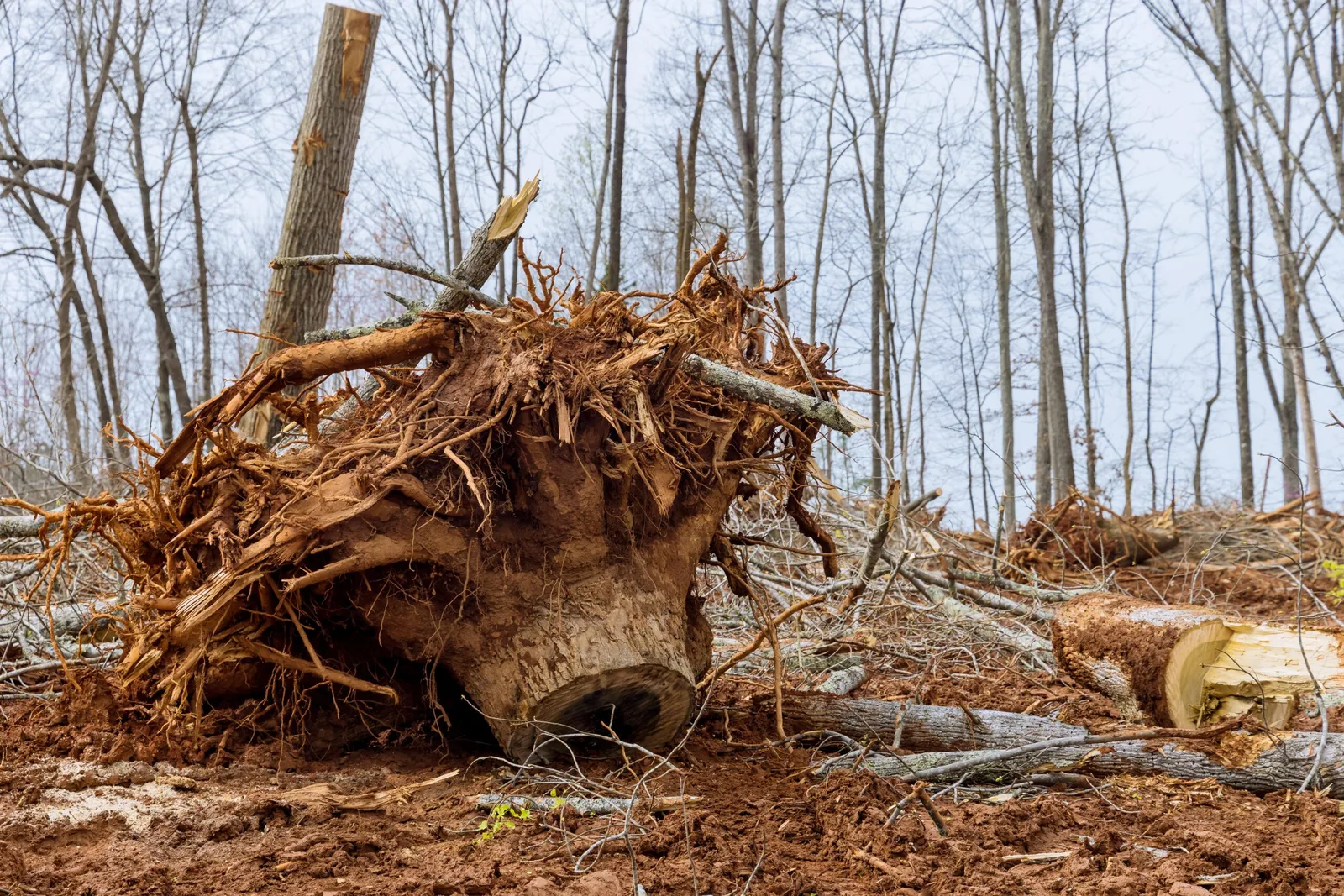
We pull stumps and root balls out of the ground with an excavator. The hole gets backfilled and rough leveled, and the stumps get stacked or hauled off.
Learn More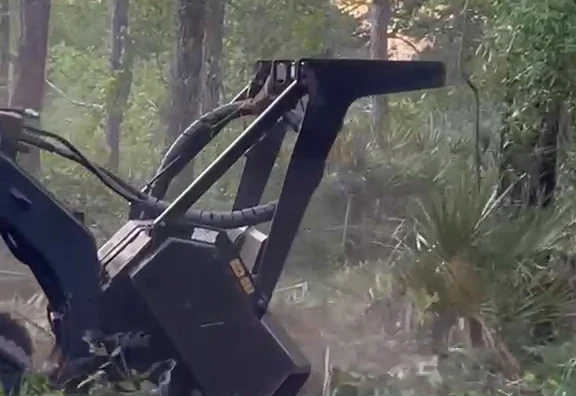
We clear overgrown brush and underbrush back to open ground around the trees you keep. The skid steer mulching head does most of it, and the excavator mulching head reaches banks, ditches and wet ground.
Learn More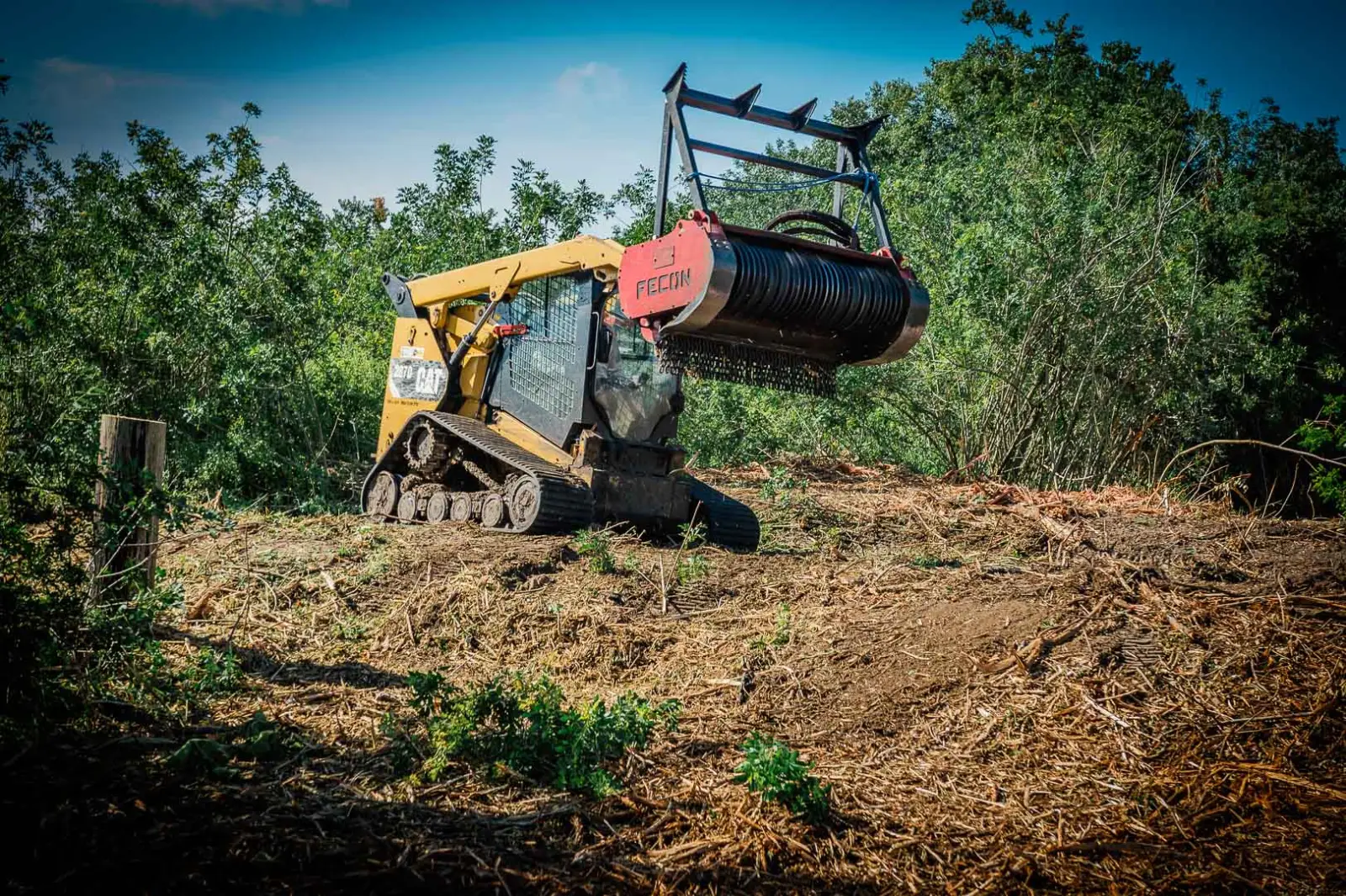
We mulch brush, underbrush and small trees in place with a skid steer mulching head and an excavator mulching head. The wood stays on the ground as mulch, so the tract opens up without burn piles or hauling.
Learn MoreWe run a mulching head on the skid steer and on the excavator. The skid steer covers open ground fast. The excavator reaches out over banks and wet spots that will not carry a machine.
Clearing, stump work, ditches and hauling all come from one company. You deal with one phone number from the first cut to the last load off the property.
We work about 40 miles out from town. That reaches Jefferson, Madison, Taylor, Leon and Wakulla counties, plus Thomas, Grady and Brooks counties across the Georgia line. Most of it is farm, timber and plantation land.
We come out, look at the land and tell you how we would run the job. The estimate is free and it comes from your actual ground.
Tell us where the property is and what you want cleared. Call or text (850) 815-0054, or send the form and we will set up a free estimate.
Tell us about the job. We will get right back to you.